Your Geyser Is Under Warranty — Don’t Let the Wrong Parts Void It

5 Hunt Rd, Killarney Gardens
12G Main Rd, Courtrai, Paarl
021 556 2941
office@agsplumbing.co.za
June 23, 2026
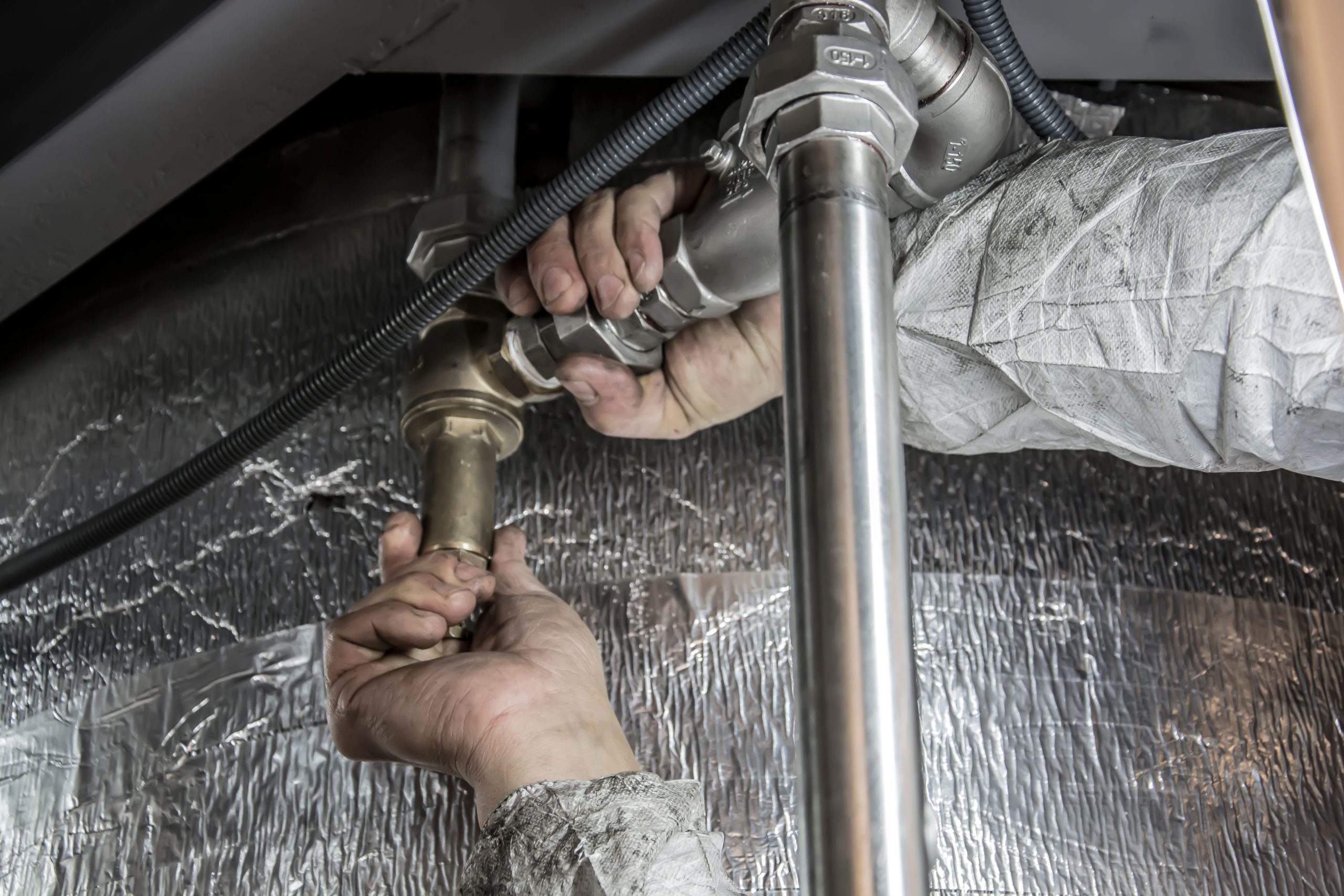
The difference between a job that lasts 20 years and one that fails in 20 months often has nothing to do with the plumber’s skill — it’s the materials in their hands.
There’s a quiet revolution happening in the plumbing supply market, and most homeowners and renovators have no idea it’s going on. Cheaper, lower-quality fittings and components are flooding the market — some are obvious counterfeits, others are simply inferior products dressed up in professional-looking packaging. Knowing the difference could save you thousands of rands in repeat callouts, water damage, and repairs.
At AGS Plumbing, we only use SABS-approved fittings and materials on every job. Here’s why that matters — and how you can spot the difference yourself.
The plumbing supply market has changed dramatically in recent years. Alongside the trusted, tried-and-tested brands that professional plumbers have relied on for decades, there’s a growing wave of cheaper imports and alternatives — many of which look almost identical to the real thing on the shelf.
These products aren’t always outright fakes. Some are locally produced alternatives that cut corners on material quality or wall thickness. Others are imported products that haven’t been tested or approved to South African standards. Either way, the consequences of using them in your home or renovation can be serious:
The South African Bureau of Standards (SABS) tests and certifies plumbing products to ensure they meet minimum safety and performance standards for use in South African conditions. A SABS mark means a product has been independently verified to handle the pressures, temperatures, and water conditions typical in our infrastructure.
When a plumber uses non-SABS-approved materials, they’re essentially experimenting with your home. AGS Plumbing doesn’t do that — every fitting, pipe, and valve we install carries the right approvals.
🔗 Learn more about SABS certification at www.sabs.co.za
When it comes to quality plumbing fittings in South Africa, two names have stood the test of time:
Cobra has been a household name in South African plumbing for decades. Their taps, mixers, and fittings are engineered for durability and are widely trusted across residential and commercial projects.
Maxim is another long-standing brand known for quality brass fittings and plumbing components. These are the products that professional plumbers reach for when they want to know a job will hold.
These brands aren’t the cheapest options on the shelf — but they’re the ones that won’t let you down two years after installation.
You don’t need to be a plumber to do a basic quality check. Here’s what to look for:
Quality brass fittings are noticeably heavy. Brass is a dense material, and a properly made fitting has real substance to it. If you pick up a fitting and it feels surprisingly light, that’s your first red flag. Cheaper products are often made with thinner walls, lower-grade alloys, or plastics that mimic the look of brass without the structural integrity.
The rule of thumb: if it feels light, leave it on the shelf.
This one is surprisingly effective. Take a torch or your phone’s flashlight and shine it through the fitting. Quality brass fittings are opaque — no light passes through. If light shines through, even faintly, you’re looking at a product that’s made from thinner material or contains plastic compounds that simply won’t hold up under the pressures and temperatures of a working plumbing system.
One of the biggest shifts in the market in recent years is the rise of plastic plumbing fittings entering spaces traditionally dominated by brass and copper. While some engineered plastics (like CPVC and certain approved PEX systems) are legitimate for specific applications, many of the cheaper plastic fittings now available are not rated for high-pressure or high-temperature environments.
They’re cheap to manufacture, they look the part, and they’re aggressively priced — but they can crack, warp, or leak in conditions that quality brass fittings handle without a second thought.
🔗 For a breakdown of approved pipe and fitting standards, visit IOPSA (Institute of Plumbing South Africa)
Genuine products from established brands have clear, professional packaging with certification markings, batch numbers, and country of origin. Counterfeit or inferior products often have:
Let’s address the elephant in the room: why does one plumber quote R800 and another quote R2,500 for what sounds like the same job?
A big part of that answer is materials.
A plumber using SABS-approved, branded fittings from suppliers like Cobra or Maxim is going to have a higher material cost than one sourcing the cheapest fittings available. Add to that the cost of professional tools, liability insurance, proper workmanship guarantees, and the time it takes to do a job correctly the first time — and the maths starts to make sense.
The cheaper quote might look attractive today. But if that job fails in 18 months — a leaking fitting behind a tiled wall, a valve that won’t close during a burst pipe emergency — the cost of the repair, and the water damage, will dwarf whatever you saved upfront.
Feel free to ask your plumber exactly what products they’re using and why. A confident, professional plumber will be happy to explain their material choices. If they can’t — or won’t — that tells you something.
| Quality Fittings (e.g. Cobra, Maxim) | Cheap/Unknown Fittings | |
|---|---|---|
| SABS Approved | ✅ Yes | ❌ Often not |
| Material | Solid brass / certified alloy | Thin alloy, plastic, mixed compounds |
| Weight | Heavy and solid | Noticeably light |
| Light test | Opaque | Light passes through |
| Lifespan | 15–25+ years | Unpredictable |
| Warranty | Manufacturer-backed | Rarely available |
Q: Are all brass fittings the same? No, not at all. The quality of brass varies significantly depending on the alloy composition and manufacturing process. True high-grade brass fittings are dense, corrosion-resistant, and pressure-rated. Cheaper versions may contain higher zinc content or other fillers that make them more brittle and prone to cracking over time.
Q: Can I buy my own materials to save money on a plumbing job? You can, but it comes with risk. If you supply materials that a plumber then installs, most professionals won’t warranty the job — because they can’t control the quality of what they’re working with. It’s worth having a conversation with your plumber first.
Q: How do I know if a plumber is using quality materials? Ask. Directly. Ask them what brands and fittings they use and whether they’re SABS-approved. You can also ask to see the packaging or product before installation. A reputable plumber won’t have a problem with this.
Q: Why is my plumber’s quote so much higher than others I’ve received? Material quality, experience, insurance, and proper workmanship guarantees all factor into a quote. Ask each plumber to itemise their quote — what materials are included, and what brands. That will quickly tell you where the price difference is coming from.
Q: What does SABS approval actually guarantee? SABS certification means a product has been independently tested to meet South African standards for safety, performance, and durability. It’s not a guarantee that a product will last forever, but it is a meaningful baseline that unverified products simply don’t have.
Q: Are plastic fittings always bad? Not always — but context matters. Certain plastic pipe systems (like CPVC or approved PEX) are legitimate for specific uses. The problem is with generic, uncertified plastic fittings being used in applications they’re not rated for. Always ask whether the material is approved for your specific application.
Plumbing isn’t glamorous, but it’s critical infrastructure in your home or building. The materials used in your plumbing system will either give you decades of trouble-free service — or a slow, expensive nightmare of leaks, repairs, and damage.
Choosing a plumber who uses SABS-approved, quality materials from trusted brands isn’t a luxury — it’s basic protection for one of your most significant assets.
Don’t be afraid to ask questions. Your plumber should welcome them.
For more information on plumbing standards and approved products in South Africa, visit IOPSA and SABS.